
The scaling mindset
You are still the system. That's the plateau.
Read articleNo mystery to how this works. The path runs from a first conversation to a clear scope to a steady monthly rhythm, sized to what your business actually needs. You stay in control of the depth at every step.
Four steps from first conversation to ongoing financial leadership.
The first call is half an hour, no cost. You walk me through what’s on your plate and what’s been bothering you about the money side. After thirty years in accounting, I can usually tell inside that conversation whether a Fractional CFO engagement is the right move for you, and I’ll say so either way.
If the fit is there, the first weeks are spent reading the actual state of the business. The books, the bank, the tools you already use, and the numbers nobody has been looking at squarely. The output is an honest read of what’s solid, what’s leaking, and what to handle first.
From the assessment, I write a scope back to you. The depth, the cadence, what I’ll own, what stays with you. You read it before anything is locked in, and the shape gets adjusted until it matches the business. The work doesn’t start until you say yes.
Then the rhythm settles in. Books close on a steady cadence, the cash plan stays current, and each month I walk the numbers through with you in person. When something material hits, you reach me directly, not a queue. Tax planning runs in coordination with your filing CPA so the year doesn’t end in surprises. The full set of services embedded in your operations covers the bookkeeping, cash, reporting, and strategy work together.
An embedded Fractional CFO is in the books each month, in the cash plan each week, and on the line when a real decision shows up. Not a quarterly slide deck. Not a phone call you have to remember to schedule. The numbers and the conversation about them happen in the same place, every month, with one person who knows your business as well as you do.

The fractional model exists because most owner-led businesses need senior financial thinking before they need a full-time finance leader on payroll. You get the same caliber of work scoped to what’s actually warranted, with no recruiting cycle, no onboarding lag, and no fixed-cost overhang when the business goes through a quieter season. The engagement adjusts as you do. The published engagement levels show the shape of each tier.
Once the scope is set, the work runs on a steady cadence. Books close monthly with a real read, not a stack of reports. The cash plan stays live because account discipline that protects profit only holds when somebody is in it every week. When a big decision shows up between sessions, you call. That’s the working rhythm.
| KPI | Target | Actual | Δ |
|---|---|---|---|
| Revenue | $210K | $224K | +6.7% |
| Margin | 32% | 34.2% | +2.2pp |
| Cash flow | $28K | $31K | +10.7% |
| AR days | 30 | 38 | +8d |
| Utilization | 80% | 72% | -8pp |
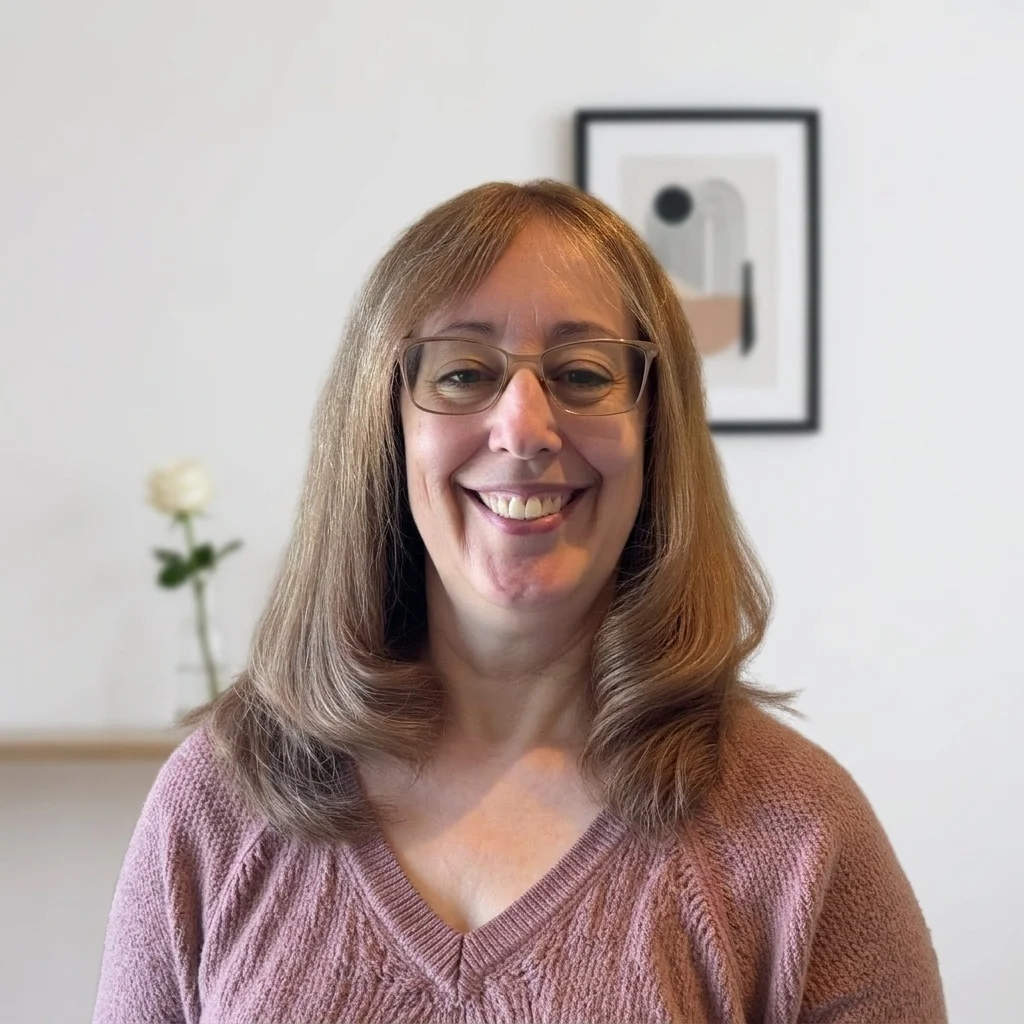
I’ve spent more than thirty years in accounting and the last eight running my own practice. The work I do as a Fractional CFO sits at the intersection of clean books, disciplined cash, and the strategic conversations that turn numbers into decisions you can act on.
Light onboarding for the first week or two: a kickoff conversation, access to the books and the bank, and a first working session that sets the meeting cadence and the reporting. Inside the first month, the books are closed cleanly, the cash plan has its first version, and you’ve sat through at least one real review of where the numbers are pointing. Urgent situations compress that timeline.
The role is additive, not a replacement. Your bookkeeper continues the day-to-day if they’re keeping up, your CPA owns the tax filings, and I sit on top of all of it as the financial leadership layer: the cash plan, the monthly review, the strategic conversations, and the planning work that changes what hits your bottom line.
Thirty years in accounting touches a lot of industries, so the financial mechanics of most owner-led businesses look familiar. The first weeks of any engagement are spent learning how YOUR business actually makes money, which products carry their weight, where the margin pressures sit. Recommendations don’t land until that learning is done.
Engagements bend with the business. Quarterly check-ins are where I look at whether the depth of work still matches what’s actually needed, and adjustments happen by conversation. A growth stretch calls for more, a quieter period calls for less. Either side can change course if the fit isn’t right.
I opened a small business 3 years ago and have had difficulty finding the insight and individual guidance I was looking for until I found Debbie! I had previously tried working with a small business consultant and different accountants searching for the guidance I needed. As a small business owner, I often felt dismissed. The very first time I spoke with Debbie, I knew I finally found what I had been searching for! She spent time with me reviewing my quickbooks and teaching me new skills for bookkeeping and budgeting. She helped me brainstorm ways to make my business more profitable and helped me decide what to prioritize. I was caught in a state of inaction due to the stress of moving forward with these difficult decisions. Debbie helped me write my specific changes and come up with a step by step plan for me to implement these changes in a way that felt more comfortable for me. I could not have done it without her guidance! I look forward to continue working with Debbie
Before working with Debbie, I knew my business was making money but I never seemed to have any. Within a few months of implementing Profit First with her, I was paying myself consistently and had cash set aside for taxes for the first time. She doesn’t just do the books — she actually understands what’s happening in a business.
For years I ran my business by checking the bank balance. Working with Debbie changed that completely. Profit First gave me a system, but what really moved the needle was having her in my corner as a CFO — looking at the numbers with me every month, telling me what they actually mean, and helping me decide what to do next. I make better decisions now because I’m not guessing anymore.
You are still the system. That's the plateau.
Read article
Three questions every owner should be able to answer.
Read article
The team isn't underperforming. It's under-structured.
Read article
Late receivables don't hit the P&L. DSO is the missing KPI.
Read article